Navigating the Labyrinth: A Comprehensive Guide to VGA Card Price Comparison
The graphics processing unit (GPU), commonly known as a video card or VGA card, is the unsung hero of modern computing. Whether you’re a dedicated gamer chasing immersive experiences, a creative professional manipulating complex 3D models, or simply someone who enjoys smooth video playback, the GPU plays a crucial role in delivering a satisfying visual experience. However, choosing the right VGA card can be a daunting task, especially when faced with a bewildering array of models, specifications, and, most importantly, prices. This article will guide you through the intricacies of VGA card price comparison, providing you with the knowledge and tools to make an informed decision and get the best value for your money.
Understanding the VGA Card Market: A Landscape of Options
The VGA card market is dominated by two major players: NVIDIA and AMD. Both companies offer a wide range of cards targeting different performance levels and price points. Understanding the general hierarchy of their product lines is the first step in navigating the market.
- NVIDIA: Their GeForce RTX series represents the high-end, focusing on ray tracing and advanced features. The GeForce GTX series typically offers a balance of performance and price, while the GeForce GT series targets budget-conscious users.
- AMD: Their Radeon RX series mirrors NVIDIA’s approach, with the RX 7000 series being their flagship, the RX 6000 series offering excellent value, and the RX 500 series catering to entry-level users.
Within each series, cards are further differentiated by model numbers (e.g., RTX 4090, RX 6700 XT), which indicate their relative performance capabilities. Higher numbers generally signify greater processing power.
Factors Influencing VGA Card Prices: Beyond the Spec Sheet
The price of a VGA card is not solely determined by its raw processing power. Several factors contribute to the final cost:
- Performance Tier: This is the most obvious factor. High-end cards with the latest architectures, more memory, and advanced features command a premium price. They deliver superior performance in demanding games and applications.
- Memory (VRAM): Video RAM (VRAM) is crucial for storing textures, frame buffers, and other data necessary for rendering images. Cards with larger VRAM capacities can handle higher resolutions and more complex textures without performance bottlenecks. More VRAM generally equals a higher price.
- Cooling Solution: Powerful GPUs generate significant heat, and effective cooling is essential to prevent thermal throttling and ensure stable performance. Cards with elaborate cooling solutions, such as multiple fans, heat pipes, or even liquid cooling, tend to be more expensive.
- Features and Technologies: Advanced features like ray tracing (simulating realistic lighting and reflections), DLSS (Deep Learning Super Sampling) and FSR (FidelityFX Super Resolution) (AI-powered upscaling techniques), and support for the latest display technologies (e.g., HDMI 2.1, DisplayPort 1.4a) add value and contribute to the price.
- Brand and AIB (Add-in Board) Partners: While NVIDIA and AMD design the core GPUs, they rely on AIB partners (e.g., ASUS, MSI, Gigabyte, Sapphire) to manufacture and sell the actual cards. Different AIBs may offer variations in cooling solutions, overclocking potential, and aesthetic designs, which can influence the price.
- Market Demand and Availability: Supply and demand play a significant role in determining prices. During periods of high demand (e.g., cryptocurrency mining booms, chip shortages), prices can skyrocket. Conversely, prices may drop when demand is low or when newer generations of cards are released.
- Retailer Markup: Different retailers have different operating costs and pricing strategies, which can lead to variations in the final price you pay.
- Warranty and Support: Cards that are sold with longer warranty periods or more comprehensive customer support might have higher prices.
- Bundled Software or Games: Some manufacturers or retailers will offer bundled software or games with their graphics cards, which can make the overall package more appealing.
- Currency Exchange Rates: For international buyers, fluctuations in currency exchange rates can significantly impact the price of a VGA card.
Tools and Techniques for Effective Price Comparison
Now that you understand the factors influencing VGA card prices, let’s explore some tools and techniques for effective price comparison:
- Price Comparison Websites: Websites like PCPartPicker, PriceSpy, and Google Shopping aggregate prices from multiple retailers, allowing you to quickly identify the lowest prices for a specific card.
- Online Retailers: Check the websites of major online retailers like Amazon, Newegg, Best Buy, and Micro Center. Pay attention to sales, promotions, and open-box deals.
- Local Computer Stores: Don’t overlook local computer stores. They may offer competitive prices and provide personalized advice.
- Manufacturer Websites: Sometimes, manufacturers themselves offer direct sales or refurbished cards at discounted prices.
- eBay and Other Online Marketplaces: Exercise caution when buying from eBay or other online marketplaces. Ensure the seller is reputable and offers a return policy.
- CamelCamelCamel: Great for tracking Amazon price history.
- Set Price Alerts: Many websites allow you to set price alerts, so you’ll be notified when the price of a specific card drops below a certain threshold.
- Read Reviews: Before making a purchase, read reviews from reputable tech websites and user reviews to get an idea of the card’s performance, reliability, and potential issues.
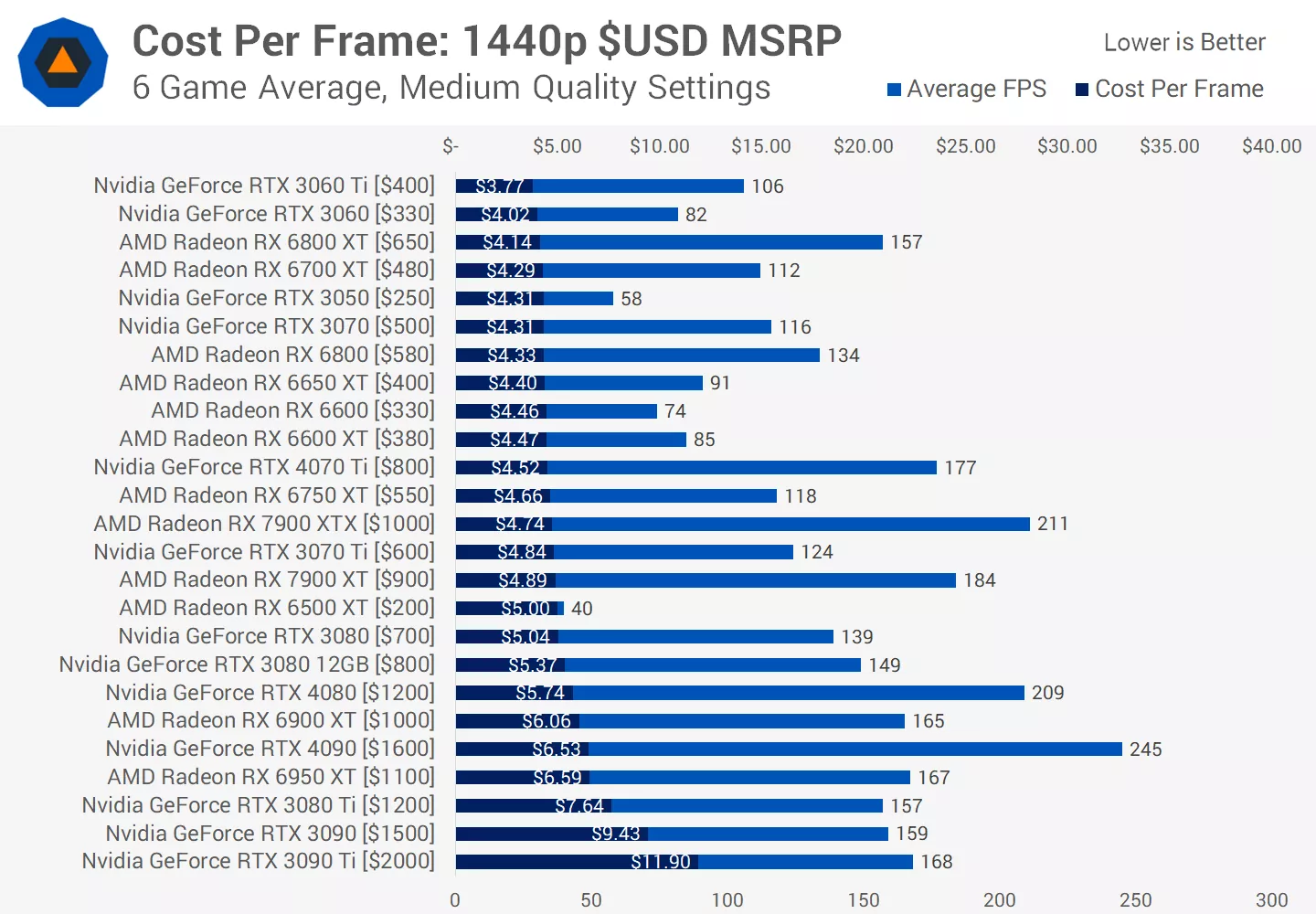
- Benchmark Comparisons: Consult benchmark websites like TechPowerUp, Tom’s Hardware, and Guru3D to compare the performance of different cards in various games and applications. This will help you determine which card offers the best performance for your specific needs.
- Consider Refurbished or Used Cards: If you’re on a tight budget, consider buying a refurbished or used card. However, be sure to thoroughly inspect the card and verify its functionality before purchasing. Check the seller’s return policy and warranty information.
Beyond Price: Considerations for Choosing the Right VGA Card
While price is a crucial factor, it’s essential to consider other factors when choosing a VGA card:
- Your Budget: Determine your maximum budget and stick to it. It’s easy to get tempted by higher-end cards, but it’s important to find a card that offers the best value within your price range.
- Your Needs: Identify your primary use case. Are you a gamer, a content creator, or simply a casual user? Different cards are optimized for different tasks.
- Your System Specifications: Ensure the card is compatible with your motherboard, power supply, and case. Consider the power requirements of the card and ensure your power supply has sufficient wattage. Also, check the physical dimensions of the card to ensure it fits inside your case.
- Resolution and Refresh Rate: If you plan to game at 1440p or 4K resolution, you’ll need a more powerful card than if you’re gaming at 1080p. Similarly, if you have a high-refresh-rate monitor (e.g., 144Hz or 240Hz), you’ll need a card that can deliver enough frames per second to take advantage of the higher refresh rate.
- Future-Proofing: Consider how long you plan to use the card. If you want it to last for several years, you may want to invest in a slightly more powerful card than you currently need.
The Art of Timing: When to Buy a VGA Card
The best time to buy a VGA card is often when new generations of cards are released. This can cause prices of older cards to drop as retailers try to clear inventory. Keep an eye out for sales during major holidays or events like Black Friday and Cyber Monday. Also, monitor the market for any potential supply chain disruptions, which can affect prices.
Conclusion: Making an Informed Decision
Choosing the right VGA card requires careful consideration of your needs, budget, and the factors influencing prices. By using the tools and techniques outlined in this article, you can navigate the complex VGA card market and make an informed decision that delivers the best value for your money. Remember to prioritize performance, compatibility, and long-term satisfaction over simply finding the lowest price. Happy gaming (or creating)!