Processor Benchmark Comparison: Understanding the Numbers and Choosing the Right CPU
In the ever-evolving world of computer technology, the central processing unit (CPU), often referred to as the processor, stands as the brain of your system. It dictates how quickly your computer can perform tasks, from basic word processing to complex video editing and gaming. Choosing the right processor can be a daunting task, especially with the sheer number of options available from manufacturers like Intel and AMD. This is where processor benchmarks come into play, providing a standardized way to compare the performance of different CPUs.
What are Processor Benchmarks?
Processor benchmarks are tests designed to evaluate the performance capabilities of a CPU under specific workloads. They involve running a series of tasks and measuring the time it takes for the processor to complete them. The results are then compiled into a score, allowing for a direct comparison between different processors. These tests can range from simple mathematical calculations to complex simulations, providing insights into various aspects of CPU performance.
Types of Processor Benchmarks
Processor benchmarks can be broadly categorized into two main types: synthetic benchmarks and real-world application benchmarks.
-
Synthetic Benchmarks: These benchmarks are designed to isolate and test specific aspects of CPU performance, such as integer performance, floating-point performance, and memory bandwidth. They provide a controlled environment for testing and can be useful for identifying the strengths and weaknesses of a particular CPU architecture. Popular synthetic benchmarks include:
- Geekbench: A cross-platform benchmark that tests both single-core and multi-core performance. It provides scores for integer, floating-point, and memory performance.
- Cinebench: Focuses on CPU rendering performance, simulating the process of creating 3D images. It is widely used to evaluate the performance of CPUs in content creation tasks.
- 3DMark CPU Profile: Primarily known for GPU testing, but includes a CPU profile that tests CPU performance across different thread counts.
-
Real-World Application Benchmarks: These benchmarks involve running actual software applications that users commonly use, such as video editing software, photo editing software, and games. They provide a more realistic assessment of CPU performance in everyday tasks. Popular real-world application benchmarks include:
- HandBrake: A video transcoding tool that can be used to measure CPU performance when converting video files from one format to another.
- Adobe Premiere Pro: A professional video editing software that is used to measure CPU performance when editing and rendering video projects.
- Gaming Benchmarks: Games are a demanding workload for CPUs, and gaming benchmarks can provide insights into how a CPU performs in a gaming environment. Popular gaming benchmarks include those built into games like "Cyberpunk 2077," "Assassin’s Creed Valhalla," and "Far Cry 6."
Key Metrics to Consider in Processor Benchmarks
When analyzing processor benchmark results, it’s essential to consider the following key metrics:
- Single-Core Performance: This metric measures the performance of a single CPU core. It is important for tasks that are not heavily threaded, such as older games and some productivity applications.
- Multi-Core Performance: This metric measures the performance of all CPU cores working together. It is important for tasks that can be divided into multiple threads, such as video editing, 3D rendering, and modern games.
- Clock Speed: The clock speed of a CPU is the rate at which it executes instructions, measured in GHz. Higher clock speeds generally translate to better performance, but this is not always the case.
- Core Count: The number of cores in a CPU is a significant factor in determining its performance. More cores generally lead to better multi-core performance.
- Thread Count: Each core can have one or two threads. A thread is a virtual core that allows the CPU to handle more instructions simultaneously.
- Cache Size: The cache is a small amount of memory that is used to store frequently accessed data. A larger cache can improve performance by reducing the need to access slower system memory.
- Power Consumption: The amount of power that a CPU consumes is an important factor to consider, especially for laptops and other mobile devices.
Interpreting Benchmark Results
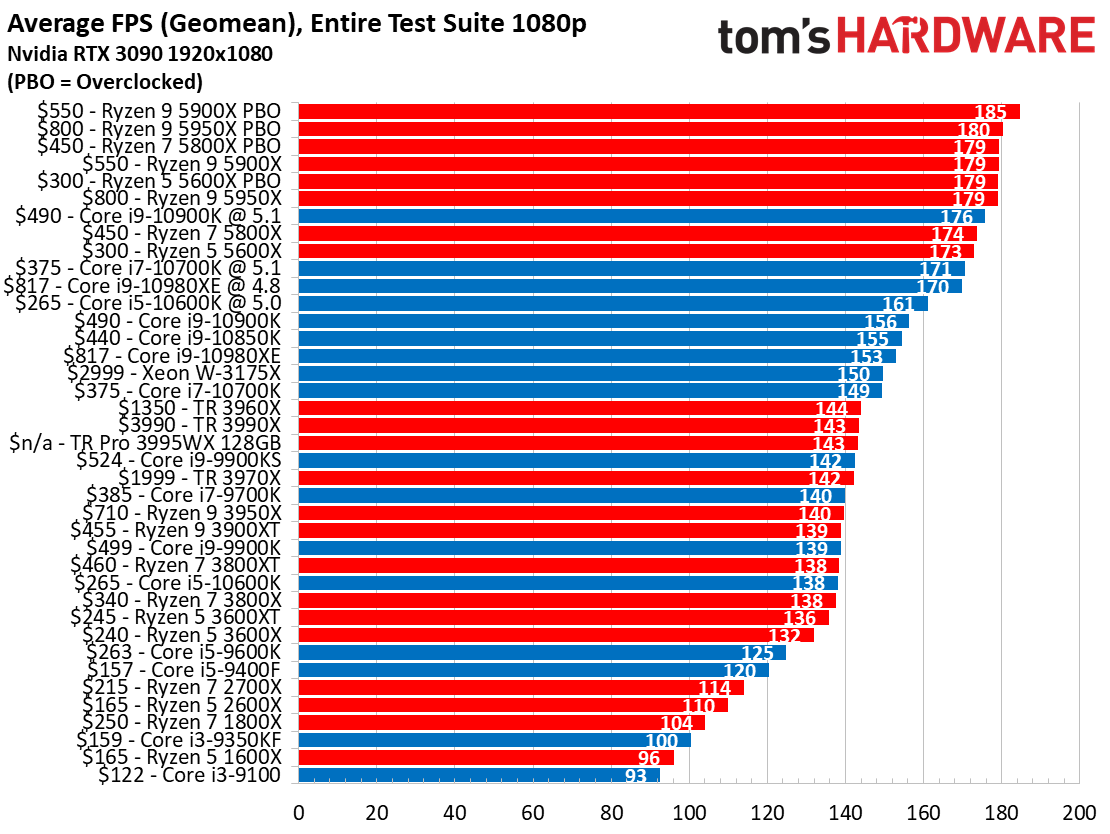
Benchmark results are typically presented as scores or frames per second (FPS). Higher scores generally indicate better performance. However, it is important to note that benchmark results are not always indicative of real-world performance. Factors such as system memory, storage speed, and software optimization can also affect performance.
When comparing benchmark results, it is important to consider the following:
- The specific benchmark used: Different benchmarks test different aspects of CPU performance.
- The system configuration: The other components of the system, such as the memory, storage, and graphics card, can affect performance.
- The software being used: Different software applications can have different performance characteristics.
Choosing the Right Processor
Choosing the right processor depends on your specific needs and budget. If you are a gamer, you will want to choose a processor with high single-core performance and a decent number of cores. If you are a content creator, you will want to choose a processor with high multi-core performance and a large amount of memory. If you are a general user, you can get by with a less expensive processor with a moderate number of cores.
Here are some general recommendations:
- Entry-Level: For basic tasks such as web browsing, email, and word processing, an entry-level processor with 4-6 cores is sufficient.
- Mid-Range: For gaming, video editing, and other demanding tasks, a mid-range processor with 6-8 cores is recommended.
- High-End: For professional content creation, high-end gaming, and other demanding workloads, a high-end processor with 8 or more cores is recommended.
Popular CPU Choices in 2024
As of late 2024, some popular CPU choices include:
- Intel: Intel Core i5-14600K, Intel Core i7-14700K, Intel Core i9-14900K. These processors offer a good balance of performance and features for gaming and content creation.
- AMD: AMD Ryzen 5 7600X, AMD Ryzen 7 7700X, AMD Ryzen 9 7950X3D. AMD’s Ryzen processors are known for their strong multi-core performance and value for money.
Conclusion
Processor benchmarks are a valuable tool for comparing the performance of different CPUs. By understanding the different types of benchmarks, the key metrics to consider, and how to interpret the results, you can make an informed decision when choosing the right processor for your needs. Remember to consider your specific use case and budget when making your decision. While benchmark numbers provide a useful guideline, real-world performance and software compatibility should also factor into your final choice.