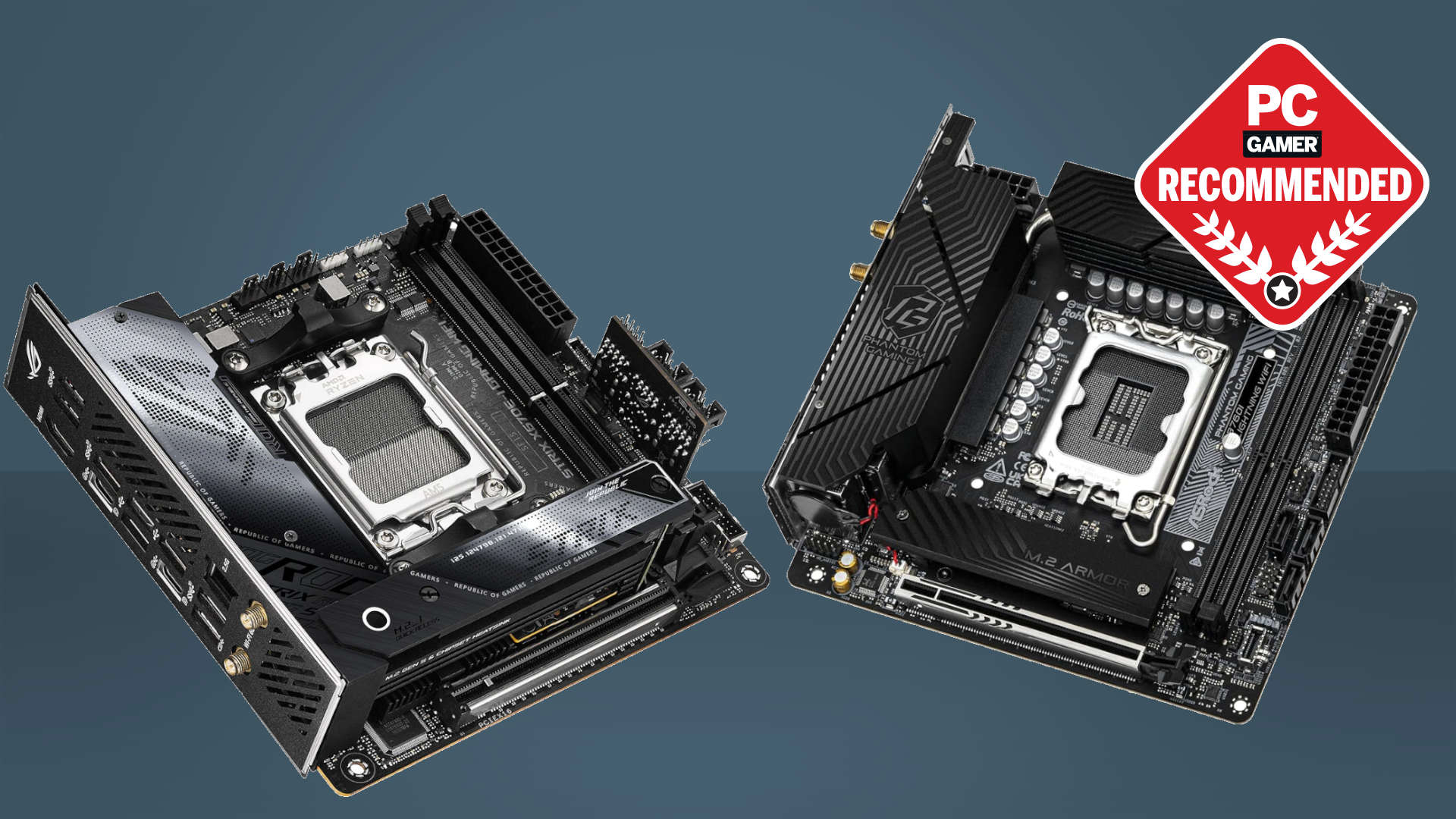
The Best Mini-ITX Motherboards of 2025: Compact Powerhouses for Every Build
The world of PC building is constantly evolving, and one trend that continues to gain momentum is the rise of the Mini-ITX form factor. These compact motherboards pack a surprising amount of power into a small space, making them ideal for small form factor (SFF) builds, home theater PCs (HTPCs), and portable gaming rigs. As we look ahead to 2025, the Mini-ITX landscape promises to be even more exciting, with new technologies and features pushing the boundaries of what’s possible in a small package.
This article will explore the best Mini-ITX motherboards expected to hit the market in 2025, catering to a range of needs and budgets. We’ll delve into the key features to look for, the anticipated advancements in technology, and provide recommendations for different types of users.
What to Expect in 2025: Key Trends and Advancements
Before diving into specific models, let’s take a look at the overarching trends and technological advancements that will shape the Mini-ITX motherboard market in 2025:
- Next-Gen CPU Support: The most significant factor influencing motherboard choice is the CPU it supports. By 2025, we can anticipate new generations of processors from Intel and AMD, likely built on even smaller process nodes (e.g., 3nm or beyond). These new CPUs will offer improved performance, power efficiency, and new features, necessitating motherboards with compatible sockets (e.g., LGA 1851 for Intel or AM6 for AMD).
- DDR6 Memory: DDR5 memory is already becoming more mainstream, and by 2025, we expect DDR6 to be on the horizon or even readily available. DDR6 promises faster speeds, higher bandwidth, and improved power efficiency compared to DDR5. Motherboards will need to be designed with DDR6 support to take full advantage of these benefits.
- PCIe 6.0: PCIe 5.0 is still relatively new, but the industry is already working on PCIe 6.0. This next-generation interface will double the bandwidth of PCIe 5.0, enabling even faster data transfer rates for GPUs, NVMe SSDs, and other high-bandwidth devices. High-end Mini-ITX motherboards will likely feature at least one PCIe 6.0 slot.
- Enhanced VRM Design: With CPUs becoming increasingly power-hungry, robust Voltage Regulator Modules (VRMs) are essential for stable performance, especially when overclocking. Expect 2025 Mini-ITX motherboards to feature improved VRM designs with more phases, better heatsinks, and advanced power management features.
- Thunderbolt 5/USB4 v2: Thunderbolt 5 and USB4 v2 are expected to offer significant speed increases over their predecessors, with potential bandwidths of up to 80Gbps or even 120Gbps. These ports will be crucial for connecting high-speed external storage, displays, and other peripherals.
- Integrated Wi-Fi 7/8: Wireless connectivity is becoming increasingly important, and by 2025, Wi-Fi 7 or even Wi-Fi 8 may be the standard. These new Wi-Fi standards will offer faster speeds, lower latency, and improved reliability compared to Wi-Fi 6E.
- Advanced Cooling Solutions: Cooling is always a challenge in Mini-ITX builds due to the limited space. Expect motherboard manufacturers to incorporate innovative cooling solutions, such as improved heatsink designs, integrated heat pipes, and even active cooling solutions for the VRMs and chipset.
- Smarter Software and Firmware: Motherboard manufacturers are increasingly focusing on software and firmware features to enhance the user experience. Expect more intuitive UEFI BIOS interfaces, advanced fan control options, and AI-powered performance optimization tools.
Anticipated Motherboard Models (Hypothetical)
Given the expected trends, let’s explore some hypothetical Mini-ITX motherboard models that could be among the best in 2025:
-
The High-End Overclocker:
- Model Name: ASUS ROG Strix Z890-I Gaming WiFi (or similar)
- Chipset: Intel Z890 (or equivalent)
- CPU Support: Next-gen Intel Core i9/i7/i5 processors
- Key Features:
- Robust 12+2 phase VRM with premium components
- DDR6 support with XMP profiles for high-speed memory
- PCIe 6.0 x16 slot for graphics cards
- Two M.2 slots with PCIe 5.0 support and heatsinks
- Thunderbolt 5/USB4 v2 ports
- Integrated Wi-Fi 7/8 and 2.5GbE LAN
- Advanced cooling solutions for VRMs and chipset
- Comprehensive overclocking features in UEFI BIOS
- Premium audio codec with high-quality capacitors
-
The AMD Powerhouse:
- Model Name: ASRock X870E Phantom Gaming-ITX/TB4 (or similar)
- Chipset: AMD X870E (or equivalent)
- CPU Support: Next-gen AMD Ryzen 9/7/5 processors
- Key Features:
- Strong VRM design for Ryzen overclocking
- DDR6 support with EXPO profiles for optimized memory
- PCIe 6.0 x16 slot for graphics cards
- Multiple M.2 slots with PCIe 5.0 support
- Thunderbolt 5/USB4 v2 ports
- Integrated Wi-Fi 7/8 and 2.5GbE LAN
- Advanced cooling for critical components
- User-friendly UEFI BIOS with overclocking tools
- High-quality audio solution
-
The Budget-Friendly Option:
- Model Name: MSI B860M Mortar WiFi (or similar)
- Chipset: Intel B860 (or equivalent)
- CPU Support: Next-gen Intel Core i5/i3/Pentium/Celeron processors
- Key Features:
- Solid VRM design for mainstream CPUs
- DDR6 support
- PCIe 5.0 x16 slot for graphics cards
- One or two M.2 slots with PCIe 4.0 support
- USB4 ports
- Integrated Wi-Fi 7/8 and Gigabit LAN
- Decent audio codec
- Simple and easy-to-use UEFI BIOS
-
The Fanless HTPC Master:
- Model Name: GIGABYTE B860N SilentForce (or similar)
- Chipset: Intel B860 (or equivalent)
- CPU Support: Low-power next-gen Intel processors
- Key Features:
- Completely fanless design with large heatsinks
- DDR6 support
- PCIe 5.0 x16 slot (optional, may have only x8)
- M.2 slot with PCIe 4.0 support
- Multiple display outputs (HDMI 2.1, DisplayPort 2.0)
- USB4 ports
- Integrated Wi-Fi 7/8 and Gigabit LAN
- High-quality audio codec for immersive sound
- Optimized for low power consumption
Factors to Consider When Choosing a Mini-ITX Motherboard in 2025
When selecting a Mini-ITX motherboard in 2025, keep the following factors in mind:
- CPU Compatibility: Ensure the motherboard supports the CPU you plan to use.
- RAM Support: Check the type and speed of RAM supported by the motherboard.
- Expansion Slots: Consider the number and type of expansion slots (PCIe, M.2) you need.
- Connectivity: Evaluate the available ports (USB, Thunderbolt, Ethernet, Wi-Fi) to ensure they meet your needs.
- VRM Quality: A robust VRM is crucial for stable performance, especially if you plan to overclock.
- Cooling: Adequate cooling is essential in Mini-ITX builds. Look for motherboards with good heatsink designs or consider adding aftermarket coolers.
- Features: Determine which features are important to you (e.g., integrated Wi-Fi, high-end audio, advanced overclocking tools).
- Price: Set a budget and compare the features and performance of different motherboards within that price range.
Conclusion
The Mini-ITX motherboard market in 2025 promises to be filled with exciting new technologies and features. By understanding the key trends and advancements, you can choose the perfect motherboard for your specific needs and build a powerful and compact PC that will last for years to come. Whether you’re building a high-end gaming rig, a silent HTPC, or a portable workstation, there will be a Mini-ITX motherboard in 2025 that fits the bill.